I attended a meeting recently about federal ownership of Western lands, and various proposals to transfer some of it to states. To settle a bet, I asked a popular AI tool how that might work, just to test its objectivity. It said, “Transferring public lands to state control can lead to significant challenges and risks for public access and conservation.” It explained that states have limited authority to manage; lack money and staff; might each manage lands differently, “undermining broader conservation goals and ecosystem resilience;” are more subject to political pressures; and might limit public access. So much for objectivity – as if the public is welcome on all federal lands, which are managed perfectly, because federal agencies are immune to political pressure and are fully staffed to guarantee ecosystem resilience.
A blog I sometimes read attracts many public comments, including this simple response from Jeff: “While the federal government is not the best at much of anything… If you give/transfer public lands to state control, all they’re going to do is destroy them over time and ruin it for everyone, just to rake in that all mighty dollar!!” It’s a very common sentiment and it’s demonstrably wrong. In fact, it’s offensive. Can I sue someone if I’m offended?
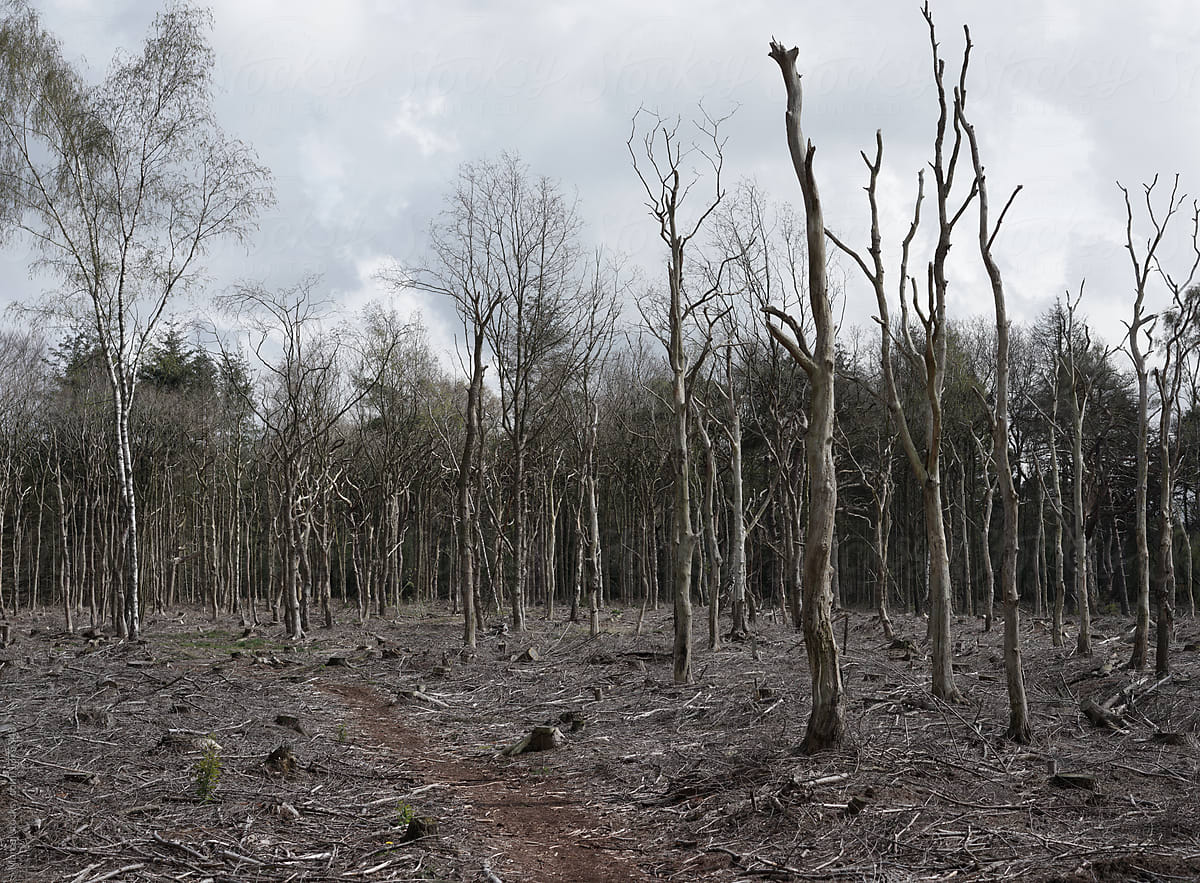
Frank Herbert, the novelist who wrote Dune and its sequels, famously said, “The people who can destroy a thing, they control it.” Right, and the federal government, not states, control national forests and other public lands. That has proven to be a death sentence for many of those treasured forests. 200 million acres have burned in the last 30 years. That’s three times the size of Colorado; in fact, it’s the size of 16 states, and there were over 77,000 fires in 2025 alone. Another million acres have been lost already in 2026, with no end in sight. The air pollution such fires cause is a national disgrace – California’s 2020 wildfires alone released more than 110 million tons of carbon dioxide, more than the state’s entire energy sector, along with massive amounts of soot, carbon monoxide, and toxic gases. And the Forest Service has a maintenance backlog of over $11 billion in deteriorating roads, bridges, dams, trails, and water systems.
The agency says another 66.8 million acres of live forests remain at risk for significant tree mortality because of insects and diseases, caused by overgrowth and mismanagement. That includes most of northern Idaho, which explains why that state led a new effort to help manage those national forests, followed quickly by Montana and now Utah. The Forest Service has now signed management agreements with all three, giving the states more than just a “seat at the table.” It gives them a role in the decision-making.
Utah’s contract goes further than previous “good neighbor” agreements that mostly addressed timber sales. This one, applying to eight million forest acres, takes a more holistic approach, including state and county participation in planning and implementing watershed restoration, grazing, and recreation projects like trails and campgrounds. Montana’s 20-year agreement represents a shared forest management vision across 414,000 acres on the Kootenai, Flathead, and Bitterroot National Forests. And Idaho’s contract renews a previous Shared Stewardship agreement, increasing state and county involvement in six national forests with over 250 restoration projects.
Montana Gov. Greg Gianforte said, “Over 60% of forested acres in our state are classified as being at high or very high risk of wildfire and insect infestations or both.” By working together, the state and federal agencies seek to increase the pace and scale of restoration through coordinated planning and shared implementation.
The environmental industry is apoplectic, predictably. One group’s director called it “nothing more than a sneaky way to clearcut roadless areas.” Another called it “a backdoor push to privatize our public lands.” Yet another lamented that “the public is in danger of being shut out,” as if the federal government is “the public” but the state isn’t.
These deals change neither ownership nor environmental laws. They have nothing to do with clearcutting, roadless designations, privatization, or public involvement. They allow states to bring expertise, funding, staffing and other resources to speed up the “management process,” also known as “analysis paralysis.” States have been offering such help for decades, while federal managers mostly treated them as enemies, local yokels who would sell their grandmother for a buck and couldn’t care less about their own backyard. That may finally be changing.
“It’s more than a partnership. It’s a friendship,” said U.S. Forest Service Chief Tom Schultz. “This isn’t just about asking for input… this is having a seat at the table, side by side, working through these projects together.” How novel.


Comments on this entry are closed.
{ 1 trackback }