Here is a late-breaking flash from a new study released last week at the University of Arizona: westerners use too much water.
Pete Seeger’s 1960s folk standard, “Where Have All the Flowers Gone,” is in the Grammy Hall of Fame, made a genuine classic through cover versions by the Kingston Trio; Peter, Paul and Mary; Joan Baez; and at least 50 others. It is often quoted, generally out of context, as will be the case here, because of the line closing each stanza, “When will they ever learn.”
I hear it occasionally in arguments about endangered species, as in, “Where have all the flowers gone, young girls picked them, every one.” I think of it more in connection with these never-ending “studies” about the Colorado River, how much more water there used to be, and why it isn’t there anymore. Government agencies spend millions every year on such studies, usually through grants to college professors, whose conclusions are virtually always the same. They invariably conclude either that the original negotiators of interstate agreements were wrong about the flow of the river, or that it is much lower today because of global warming. Most importantly, they always – always – advocate reducing water use as the sole solution.
These studies never – not even once in the last 20 years – discuss the role of federal land management in reducing the flow of water throughout the West. That ignores the most important factor in reduced water flows across the West, especially in the Colorado River Basin. Numerous forest health analyses show that mismanagement of public lands has resulted in massive unnatural overgrowth that prevents vast amounts of water from reaching the streams. Moreover, volumes of surveys document non-native high-water-consuming plants like tamarisk and Russian olive clogging rivers across the southwest, about which the government has done virtually nothing.
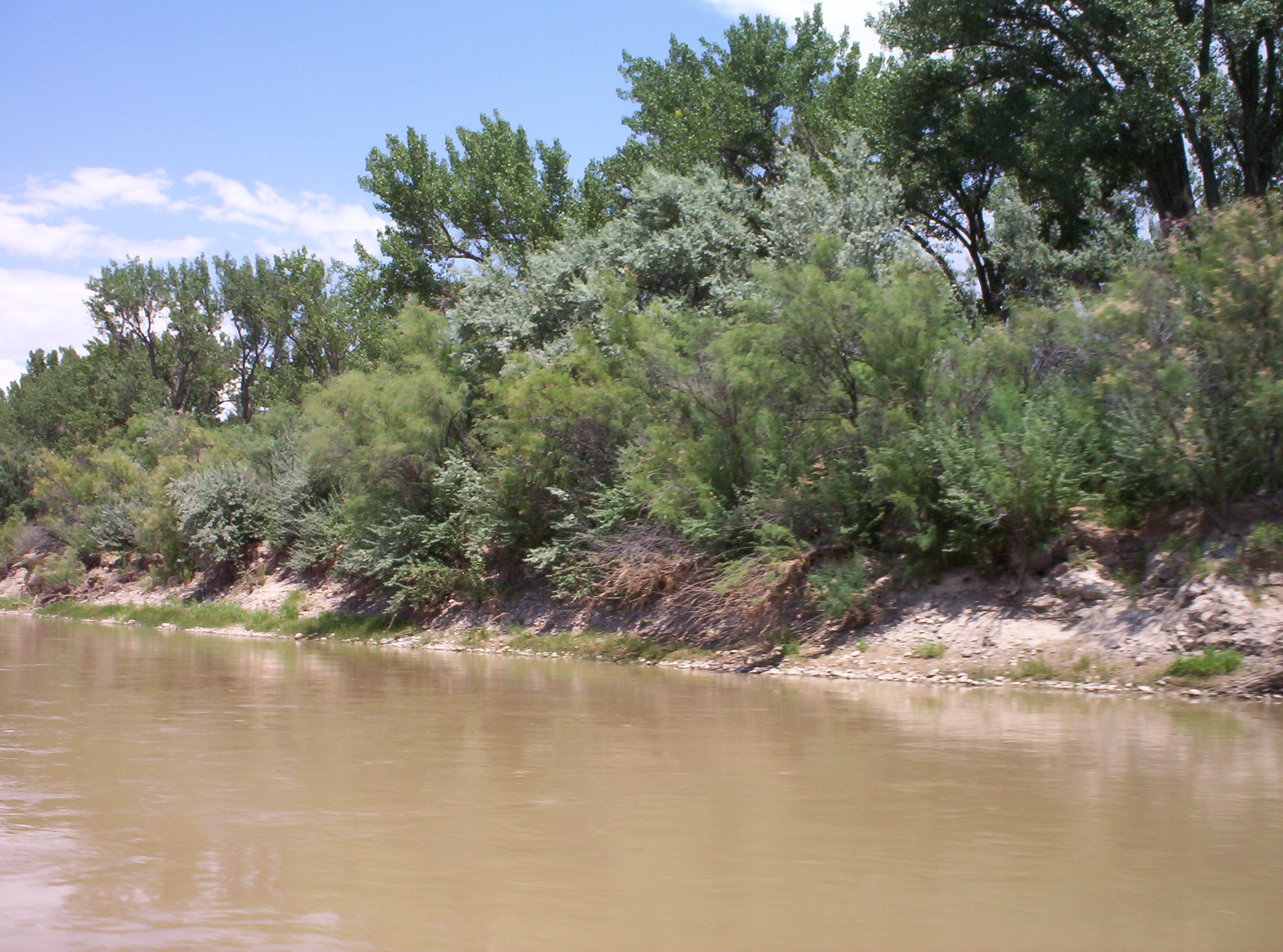
Yet every study of the Colorado River Basin drought ignores the federal government’s poor management that is largely the cause. Obviously, government agencies do not give research grants to show themselves culpable, so it isn’t difficult to figure out why such studies ignore that.
This latest study is only slightly different, in that it focuses on the loss of groundwater, which is closely related to the reduced flow of the Colorado River. It says the Basin has lost as much water as a full Lake Mead over the last 20 years, roughly 27 million acre feet, especially in Arizona. The study relied heavily on NASA satellites to detect how much fresh water was in the basin, then extrapolated conclusions about the overuse of groundwater by farmers. It says groundwater is being depleted faster than it can be replenished, which I’m sure is true, but that is a result of wells and pumps, not climate change. Yet the government-funded study nevertheless reaches the obligatory conclusion that climate change is responsible, and that water use must be curtailed.
The study, published in the online open-access journal Geophysical Research Letters, is titled “Declining Freshwater Availability in the Colorado River Basin Threatens Sustainability of Its Critical Groundwater Supplies.” It seems remarkably opposite a 2014 study, published in the same journal, called “Groundwater Depletion During Drought Threatens Future Water Security of the Colorado River Basin.” In other words, the first study said groundwater shortages threaten surface water, and the second says surface water shortages threaten groundwater. Thank you, Captain Obvious.
A lead author of both was Arizona State University professor Jay Famiglietti, and if you wonder about his agenda, check out his title: Professor of Global Futures in the ASU School of Sustainability, located at the Walton Center for Planetary Health. Naturally, Famiglietti says the loss of water was caused by climate change and population growth. Apparently not by farming practices that actually deplete groundwater, though the photo accompanying the main news story about his study is a picture of a wheat field in the Arizona desert being irrigated by syphon tubes and open furrows, a wasteful practice most Colorado farmers discontinued a generation ago.
After suggesting that “It is time to bring groundwater under the water management umbrella,” meaning federal control, Famiglietti added, “more data on the ground, such as well usage rates, would help future research.” That is surprising, since the main conclusions are about overuse of groundwater, yet the authors apparently did not access any actual well records.
At the risk of sounding cynical, this study’s conclusions were already presupposed when it was determined which government funds would pay for it. And of course, it would not include any discussion of the government’s own role in reducing the flow of water throughout the West. Where has all the water gone, and when will they ever learn?


I will second Lois.
Grants reward studies that reinforce the outcomes the various agencies seek. Grant writers know this. Fill in the blanks so to speak.
I get it, employment plus pensions. Maybe some book deals.
Greg, in reference to your May 2025 article on the BoR, I recently finished the Bureau of Reclamation 2002 Centennial publication “Dams, Dynamos, and Development: celebrating their electrification of the West. It seemed to imply that it was an unintended consequence of their original mission of reclamation of the West for agricultural purposes. Mission creep I guess. Results included ever larger dams, consolidating the electric grid and dealing with the resulting problems. How about that for an opened ended business plan! Even a so-called exit plan of turning day to day management over to other entities while retaining a degree of veto power. I think they learned well.
Excellent! Walcher is one of the best, balanced writers about the environment we love in Colorado.
Excellent article: research, background, writing skill!
Comments on this entry are closed.
{ 1 trackback }